Winter is the season when Transylvania’s forests reveal their secrets. Snow transforms the landscape into a natural map, making winter wildlife tracking Transylvania an unforgettable experience. By slowing down and observing carefully, you can follow hidden paths, discover animal behavior, and understand how wildlife survives in the heart of winter.
Here are seven remarkable insights that make winter wildlife tracking in Transylvania truly unique.
1. The “Golden Window” for Shed Antlers: Winter Wildlife Tracking Transylvania
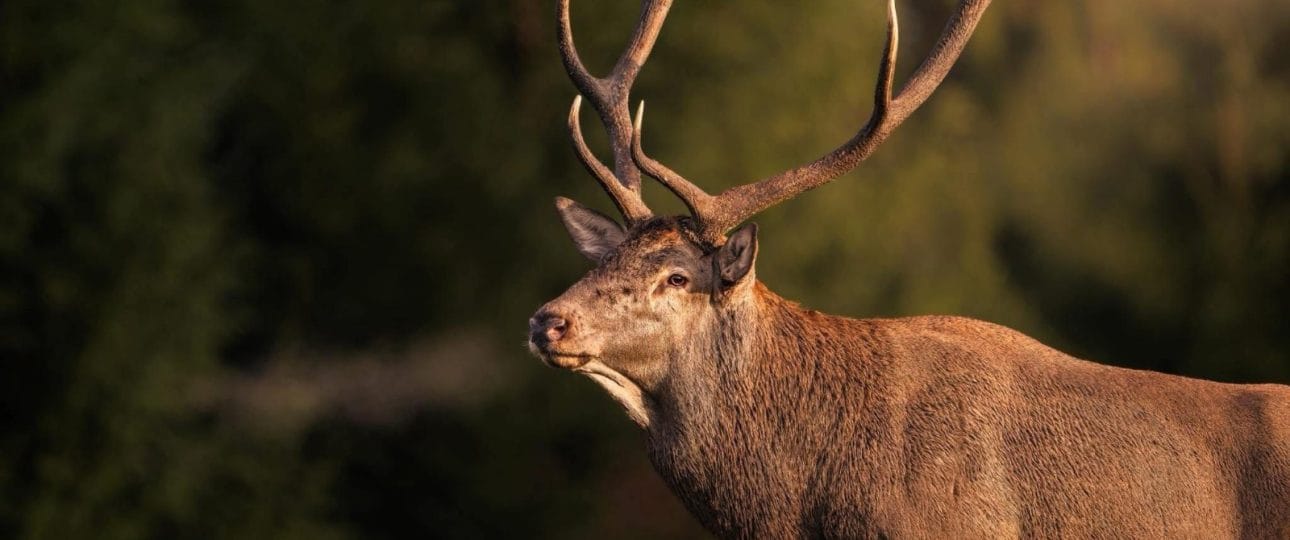
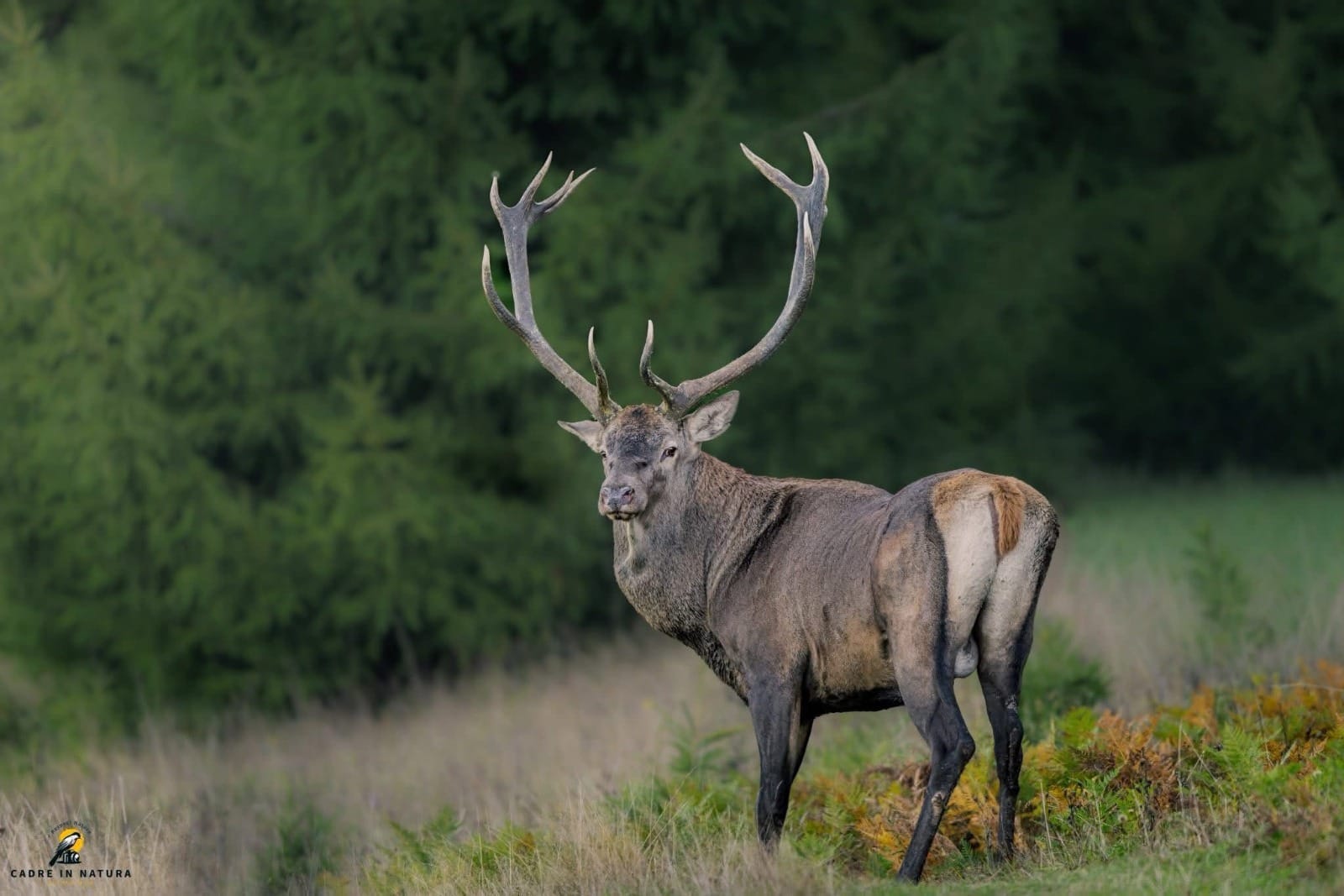
The real secret of the Harghita Mountains reveals itself between December and February. This is the only time when fresh red deer antlers, known as sheds, can be found resting quietly in the snow. Discovering one is a rare, tangible connection to the forest’s natural cycle—a moment of understanding rather than a trophy, and an experience that stays with you long after the snow has melted.
2. Reading the “Snow Newspaper”: Winter Wildlife Tracking Transylvania
At first glance, snow may look like nothing more than a white surface. But as you walk through the forest with our wildlife experts, it quickly turns into a living newspaper. You’ll learn how to tell the difference between a calm feeding trail and a sudden escape track, simply by reading the marks left behind. Step by step, the snow reveals how animals move, react, and save energy during winter—allowing you to understand their lives without ever disturbing their peace.
3. The Silence of the Toplița Corridor
While Bran and Brașov draw the crowds, the Toplița corridor remains one of Europe’s best-kept secrets. Its patchwork of forests forms a quiet highway for wildlife, where animals move freely without disturbance. Here, away from mass tourism, the forest feels alive yet untouched—and your chances of spotting fresh tracks from elusive creatures like Eurasian lynx or wolves are much higher. Walking these trails, you’re not just observing nature—you’re stepping into its most private moments.
4. Decoding the “Bedding Sites” – Winter Wildlife Tracking in Transylvania
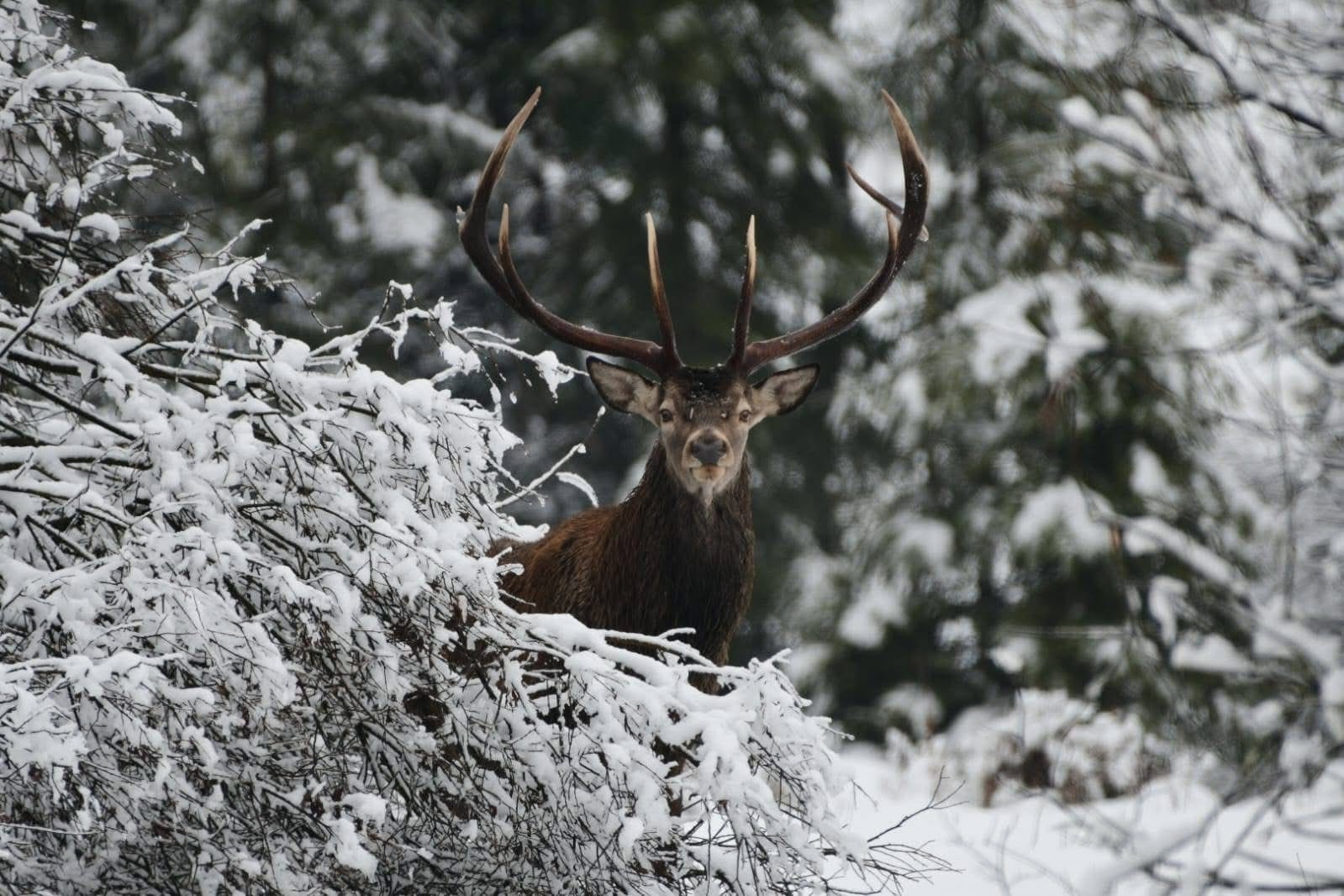
Tracking isn’t just about following footprints. One of the forest’s most fascinating secrets is the “bedding site”—the exact spot where a stag has rested. By noticing the texture of the snow and the shape of the depression, you can sense how recently the animal was there. It’s a quiet, magical way to connect with the “ghosts of the forest,” experiencing their presence without ever disturbing them.
5. Ethical Stealth: The “Low Impact” Rule
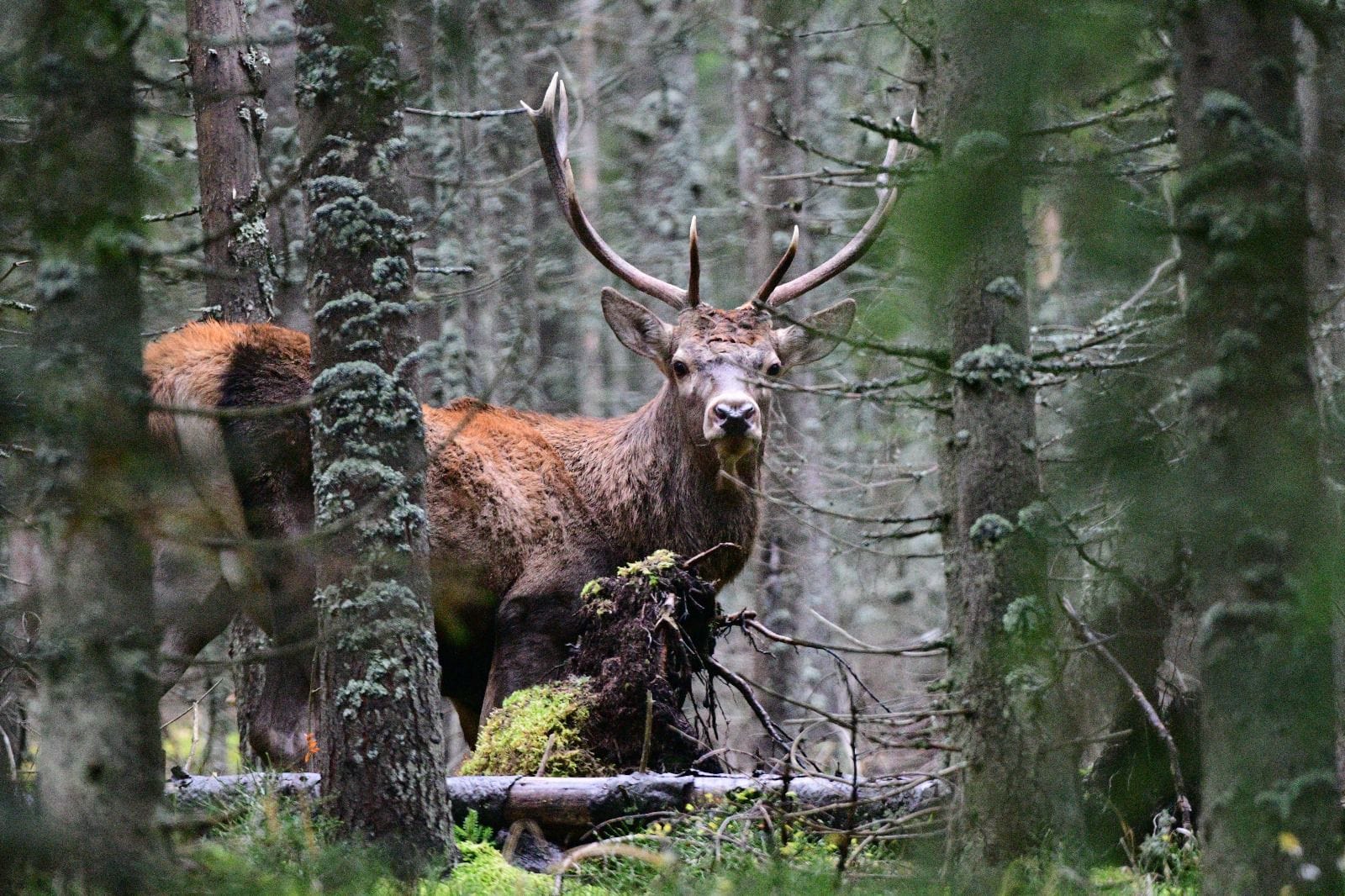
The true secret to observing wildlife in winter is moving quietly, in small groups of no more than six people. By following the natural rhythm of the forest and staying downwind, you’ll experience the forest without leaving a trace. This respectful, low-impact approach is why the animals here remain calm and curious rather than fearful—giving you a rare chance to witness their world as it really is.
6. Warmth and Hospitality at Casa Samir, after Winter Wildlife Tracking Transylvania
The experience doesn’t end when the sun sets. One of our favorite local secrets is the cozy hospitality at Casa Samir in Toplița. After hours spent tracking through crisp, snowy forests, there’s nothing better than the warmth of a wood-fired home and a hearty Transylvanian meal. It’s the perfect way to recharge, share stories from the day, and reflect on the quiet wonders of the winter wilderness.
7. Nature’s Winter Secrets
Winter wildlife tracking Transylvania is a masterclass in animal behavior. Learn how deer use slope orientation to catch the morning sun, or which trees provide the best thermal cover. Every observation gives insight into survival strategies in a harsh winter landscape.
Ready to Step into the Wild?
These secrets are best experienced firsthand. If you are a nature enthusiast looking for an authentic Transylvanian quest, our 2026 dates are now open.